Sergers
The Best Sergers for Beginners (and What a Serger Actually Does)
 By James WhitfieldReviews editor
First overlockers ranked on thread options, differential feed and realistic beginner expectations — not physical product trials.
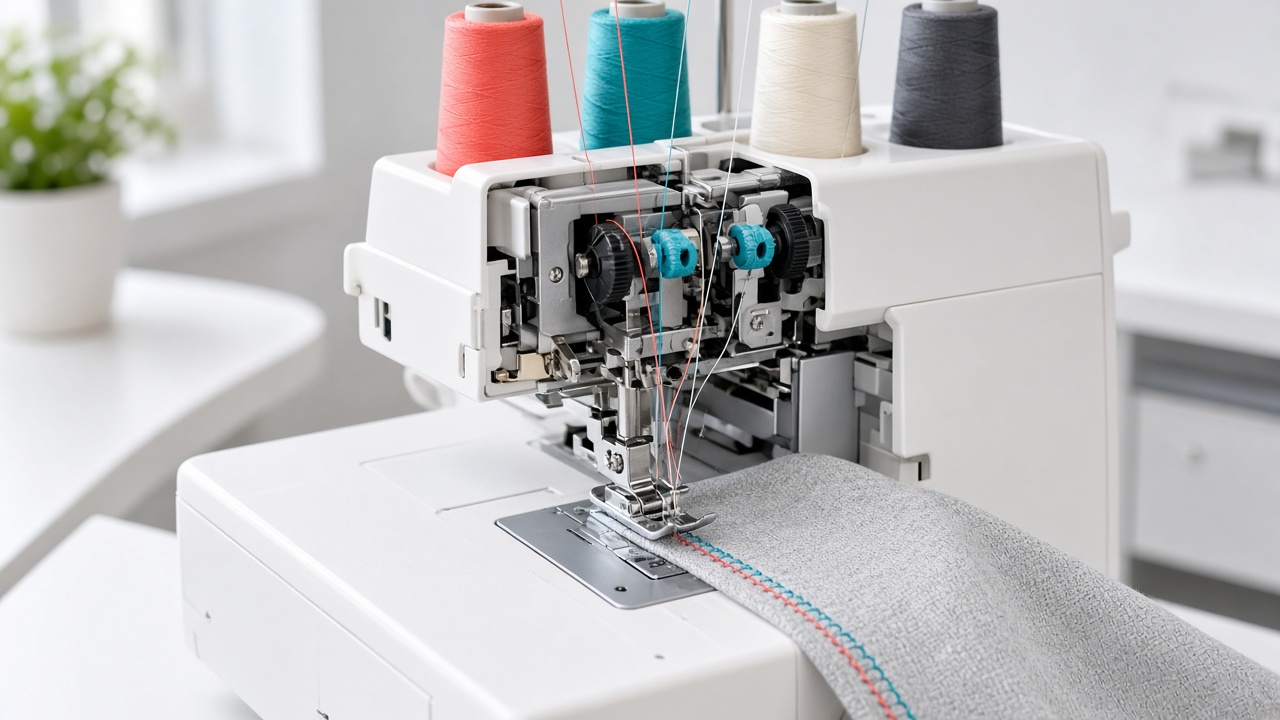
Our top picks at a glance
| Model | Pick | Threads | Differential feed | Max speed | Price band | Check price |
|---|---|---|---|---|---|---|
| Best budget | 2/3/4-thread | — | Up to 1,300 spm | Mid-range | ||
| Best for long-term use | 2/3/4-thread | Yes | — | Mid-range |
Do you need a serger?
A serger (overlocker) trims the fabric edge and wraps it with thread in one pass. That finish looks clean on knits and ready-to-wear-style garments. It does not replace a lockstitch sewing machine for zippers, buttonholes, quilting or most construction. If you are still choosing a first sewing machine, start with best sewing machines for beginners or the broader best sewing machines guide. Full role split: serger vs sewing machine.
The best sergers for beginners, reviewed
Best budget
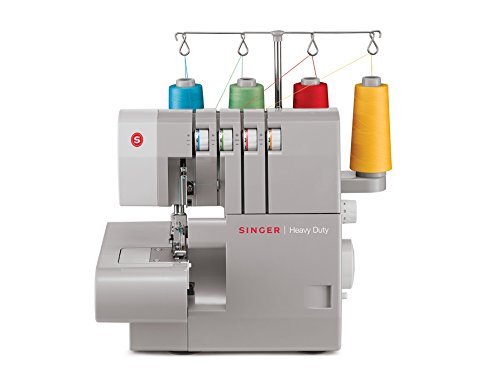
Best budget
Singer 14HD854 (opens Amazon in a new tab)
Best for: First-time serger buyers who want a budget-friendly 2/3/4-thread machine
- Threads: 2/3/4-threadSource
- Max speed: Up to 1,300 spmSource
- Frame: Metal frameSource
- Stitch types: 6 (listing)Source
Pros
- 2/3/4-thread options
- High claimed speed with a metal frame
- Approachable entry into serging
Cons
- Threading takes practice on any conventional serger
- Not a substitute for lockstitch construction
Skip it if: You need air threading or a coverstitch in the same unit
What owners mention
Praise
- good starter serger value
- handles knit edges
Complaints
- threading frustration at first
- manual details matter
The Singer 14HD854 is the budget-friendly first serger on this page: 2/3/4-thread options, a metal frame, up to 1,300 spm and six stitch types on Singer’s listing-level details. Owners often call it a solid starter for knit edges; threading still takes practice on any conventional serger. Skip it if you need air threading or a coverstitch in the same unit.
Best for long-term use
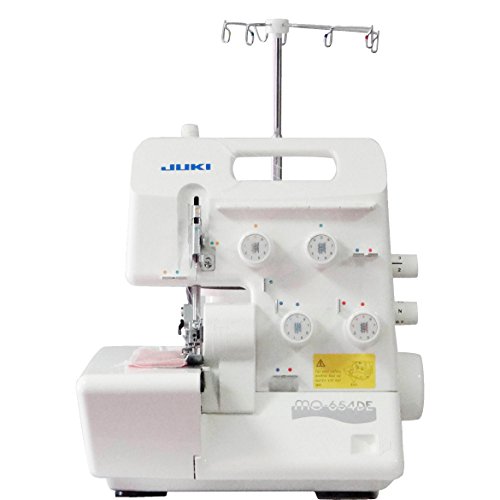
Best for long-term use
Juki MO654DE (opens Amazon in a new tab)
Best for: Sewists who want a step-up serger with differential feed for knits
Pros
- 2/3/4-thread flexibility
- Differential feed for stretch fabrics
- Often mentioned when owners want longer-term reliability
Cons
- Threading still takes practice
- Does not replace a sewing machine
Skip it if: You only need occasional zigzag finishes on a regular machine
What owners mention
Praise
- reliable serging
- good differential feed control
Complaints
- threading learning curve
- takes space next to a sewing machine
The Juki MO654DE is the step-up pick when owners talk about longer-term reliability. Published details in our set include 2/3/4-thread flexibility and differential feed for stretch fabrics. It still will not replace a sewing machine, and threading takes practice — but it is the machine we point to when someone expects to serge often.
Brother ST4031HD and 1034DX — prose only
Brother’s ST4031HD is a popular 3/4-thread serger with differential feed, up to 1,300 spm, three feet and an extension table on Brother’s page. We are not rendering a product box or buy button until a base Amazon listing is confirmed — bundle listings muddy the buy.
The Brother 1034DX is a long-running beginner serger name (3/4-thread, differential feed, 1,300 spm on Brother’s page). At our last check, Amazon US listed it only as renewed, so we are not featuring it as a new-unit buy button here. Prefer current new inventory or a verified alternative when you can.
What to look for in a beginner serger
3/4-thread vs 2/3/4-thread
Most beginner overlock work uses three or four threads. A 2-thread mode is a bonus for lighter finishes when the machine offers it. Both picks above list 2/3/4-thread flexibility; the Brother models in prose are 3/4-thread on published summaries.
Differential feed
Differential feed keeps knits from waving as you serge. Prefer machines that publish it clearly when stretch fabrics are your main reason for buying a serger.
Color-coded vs air threading
Color-coded thread paths help you follow the manual. Air threading (jet-air) costs more and is not required for a first serger — learn the tie-on method and you can rethread conventional machines faster than starting from empty loopers every time.
Rolled hem
A rolled-hem setting is useful for lightweight edges, napkins and some knit hems. Confirm how your model converts to rolled hem in the manual before you buy for that feature alone.
Knife and stitch-width adjustment
The knife trims as you sew. Being able to adjust stitch width and knife engagement helps when you move between lightweight knits and thicker seams. Read the manual for safe knife habits before your first project.
How hard is it to thread a serger?
Harder than a sewing machine on day one — then manageable with practice. The tie-on method (tying new thread to the old and pulling it through) avoids full rethreads for color changes. Slow down, follow color paths and keep the manual open.
Serger vs coverstitch
A serger overlocks and trims. A coverstitch machine makes the double-needle hem look common on T-shirt hems without trimming the edge the same way. Some sewists eventually own both; beginners usually start with a sewing machine, then a serger, then decide on coverstitch later.
Sources and last checked4 sources
- Singer 14HD854 product page · checked
- Juki home site · checked
- Brother ST4031HD product page · checked
- Brother 1034DX product page · checked
FAQ
Is a serger worth it for a beginner?
It is worth it when you sew knits, activewear or garment edges often enough that zigzag finishes feel slow. It is not worth it as your only machine. Learn lockstitch construction first, then add a serger when edge finishing becomes a weekly bottleneck.
Can a serger replace a sewing machine?
No. A serger cannot sew zippers, buttonholes or most topstitching. It trims and overlocks edges. Keep a sewing machine for construction and add a serger for finishes — full comparison on our serger vs sewing machine guide.
What is differential feed?
Differential feed lets the front and rear feed dogs move at slightly different rates so knits do not wave or ripple as you serge. It is one of the most useful features on a beginner serger when you sew stretch fabrics often.
What thread do sergers use?
Most home sewists run polyester serger or all-purpose thread through the needles and loopers. Cone thread is common because sergers use a lot of thread. Match thread weight to the fabric and change needles when stitches skip.
Is the Juki MO654DE worth the extra money?
If you expect to serge often and want 2/3/4-thread flexibility plus differential feed on a machine owners often praise for reliability, the step up can make sense. If you only finish edges a few times a year, a budget first serger may be enough.
About the SewPicks editors
SewPicks is written by named editors who compare sewing, quilting and embroidery machines from manufacturer specs and patterns in owner reviews. We do not run physical product trials. Our picks change when models are discontinued or better options appear.
- James WhitfieldReviews editor
 Maya ChenEditor-in-chief
 Rachel TorresQuilting & embroidery editor
Meet the full team on Authors & Editors, or read How We Choose.