Compare
Serger vs Sewing Machine: What's the Difference?
 By James WhitfieldReviews editor
Lockstitch vs overlock — what each machine is for, and which one to buy first.
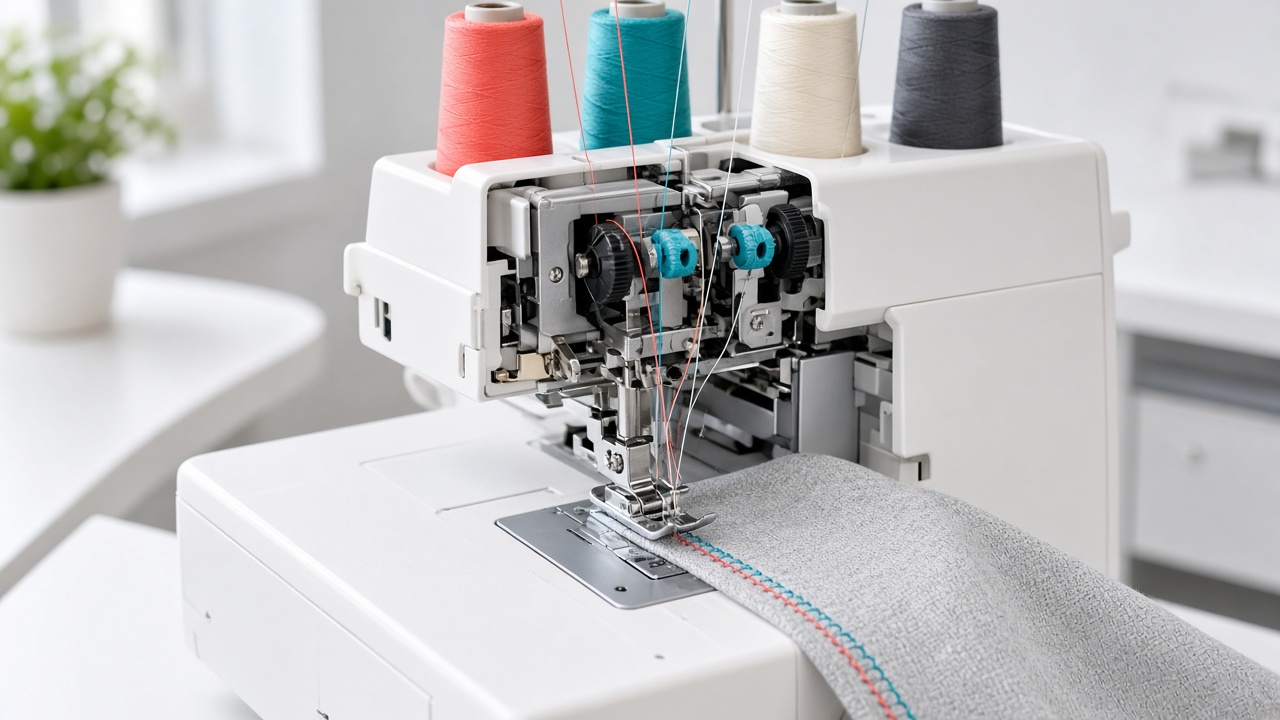
Quick verdict
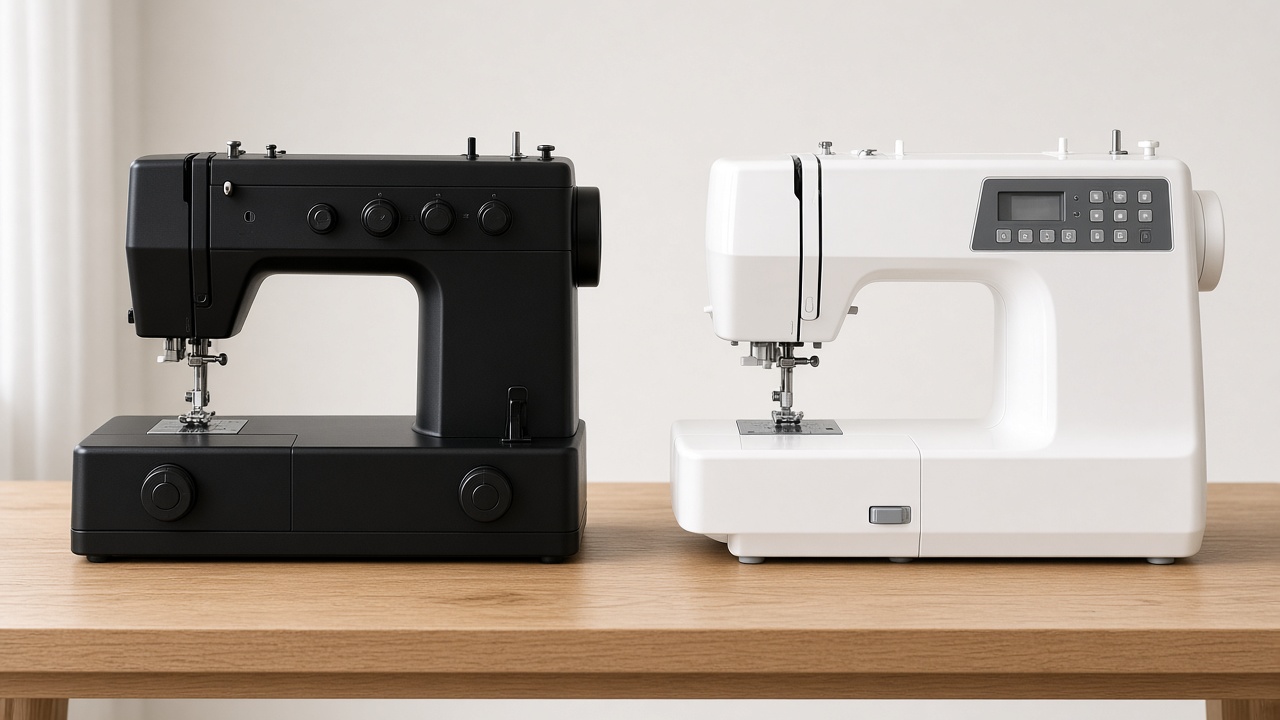
Buy a sewing machine first. Add a serger when you sew lots of knits or want faster, cleaner edge finishes on garments. A serger will not replace zippers, buttonholes or quilting. More match-ups live in the comparisons page.
Side-by-side comparison
| Feature | Sewing machine | Serger |
|---|---|---|
| Stitch type | Lockstitch (needle + bobbin) | Overlock / overedge (loopers) |
| Threads | Usually 1 needle + 1 bobbin | Typically 3–4 (some offer 2-thread) |
| Trims fabric | No (unless you cut separately) | Yes — knife trims as it sews |
| Best for | Construction, zippers, buttonholes, quilting | Knit seams, edge finishing, rolled hems |
| Can't do | Trim-and-wrap edge finish in one pass | Zippers, buttonholes, topstitching, most construction |
| Learning curve | Gentler for absolute beginners | Steeper — threading takes practice |
What a sewing machine does best
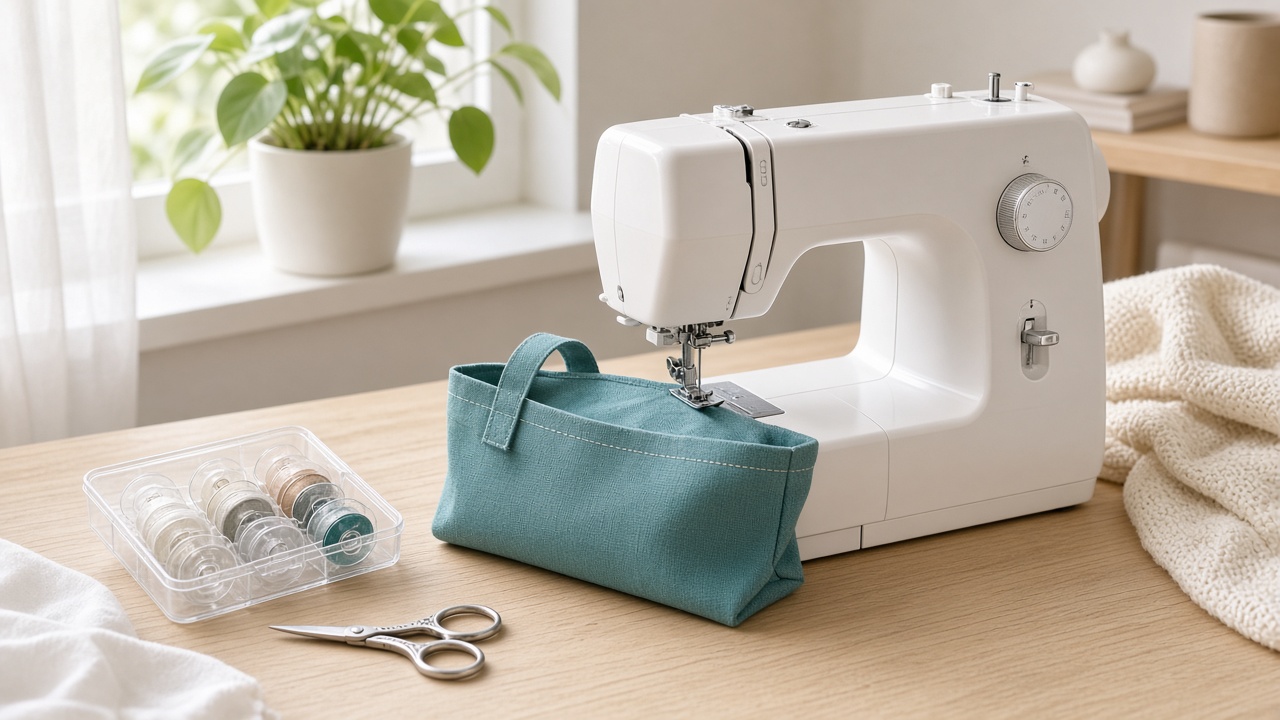
A domestic sewing machine forms a lockstitch with a needle and bobbin. That stitch holds seams, installs zippers, sews buttonholes, topstitches and handles quilting and most craft sewing. Helpers such as an automatic needle threader, speed control and a one-step buttonhole matter more for beginners than a huge stitch menu. Our sewing pick for this comparison:
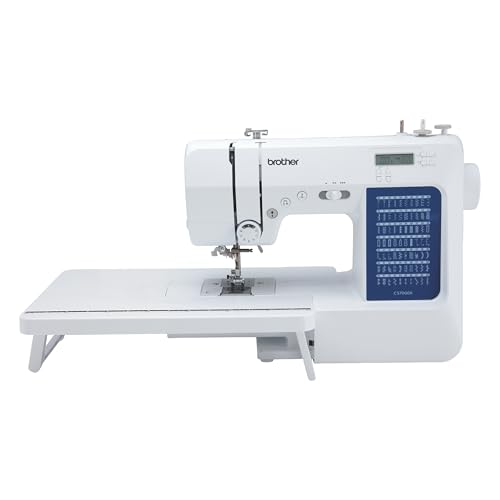
Sewing machine pick
Brother CS7000X (opens Amazon in a new tab)
Best for: Beginners and new quilters who want a walking foot, wide table and speed control in one box
- Built-in stitches: 70Source
- Buttonholes: 7 one-step auto-sizeSource
- Included feet: 10, including walking foot and 1/4" piecing footSource
- Max speed: Up to 750 spm with speed controlSource
- Stitch size: 7 mm max width / 5 mm max lengthSource
- Warranty: 25-year limitedSource
Pros
- Automatic needle threader and drop-in bobbin
- Walking foot, 1/4" foot, quilt guide and wide table included
- Speed control plus drop feed for free-motion
- Hard cover and metal frame on Brother's spec sheet
Cons
- Owners sometimes report durability issues over time
- Some mention needle breaks or skipped stitches with heavier use
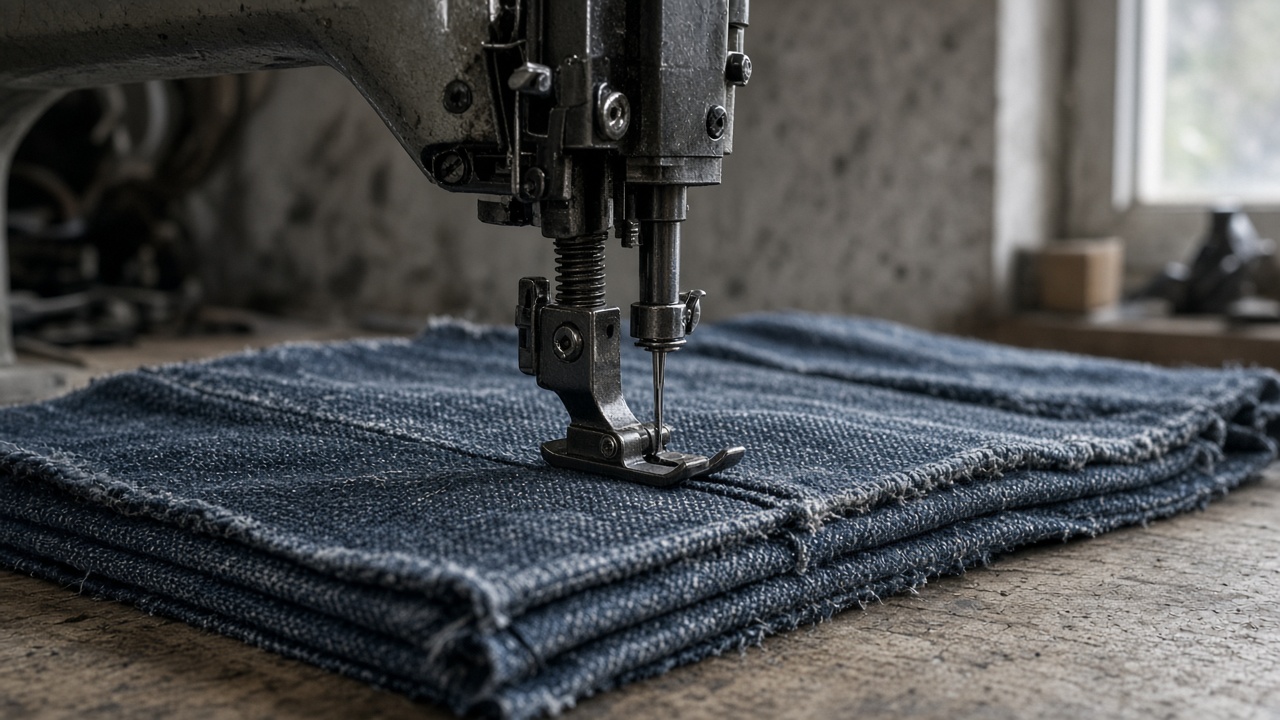
- Not the strongest choice for daily denim stacks
Skip it if: You sew heavy canvas or leather every day and need a true heavy-duty mechanical
What owners mention
Praise
- stitch variety
- beginner-friendly setup
- strong value for the feature set
Complaints
- durability concerns over time
- needle breaks or skipped stitches for some owners
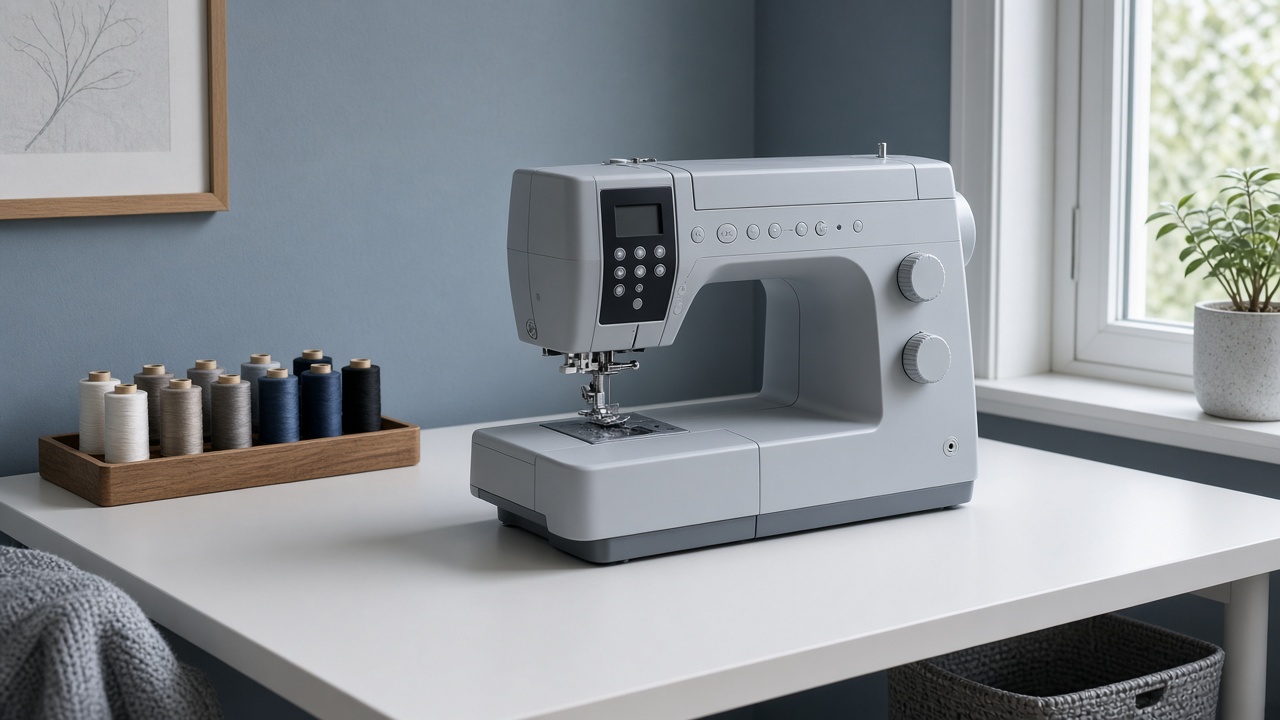
The CS7000X is a mid-range computerized all-rounder with seventy stitches, a walking foot, wide table and speed control on Brother’s page — a solid lockstitch base before you add a serger. Beginner short list: best sewing machines for beginners. Broader category winners: best sewing machines.
What a serger does best
A serger (overlocker) uses multiple threads and loopers to trim and wrap a fabric edge in one pass. That finish stretches with knits and looks closer to ready-to-wear seam finishes. It is fast once threaded. Our serger pick for this comparison:
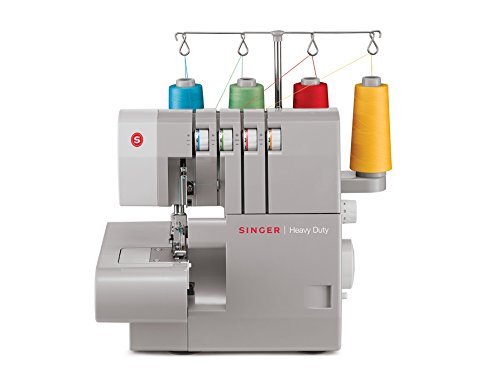
Serger pick
Singer 14HD854 (opens Amazon in a new tab)
Best for: First-time serger buyers who want a budget-friendly 2/3/4-thread machine
- Threads: 2/3/4-threadSource
- Max speed: Up to 1,300 spmSource
- Frame: Metal frameSource
- Stitch types: 6 (listing)Source
Pros
- 2/3/4-thread options
- High claimed speed with a metal frame
- Approachable entry into serging
Cons
- Threading takes practice on any conventional serger
- Not a substitute for lockstitch construction
Skip it if: You need air threading or a coverstitch in the same unit
What owners mention
Praise
- good starter serger value
- handles knit edges
Complaints
- threading frustration at first
- manual details matter
The Singer 14HD854 is a 2/3/4-thread beginner serger with a metal frame and up to 1,300 spm on Singer’s page. Full beginner serger short list: best sergers for beginners.
Do you need both?
Many garment sewists eventually want both: the sewing machine for construction and the serger for edges. Quilters and casual menders often never need a serger. Space and how often you sew knits decide more than brand loyalty.
Which to buy first
If you’re a beginner
Buy the sewing machine first. Learn straight seams, zigzag, a buttonhole and basic hems. A serger’s threading curve is steeper and its job list is narrower.
If you sew knits and activewear
Still start with a sewing machine that handles stretch (ballpoint or stretch needles, zigzag or stretch stitches). Add a serger when you want faster, cleaner knit seams and edge finishes every week.
If you quilt
A serger is optional. Quilt piecing, free-motion and binding live on a sewing machine. Some quilters use a serger for joining scraps or finishing utility projects, but it is not the priority tool.
Serger alternatives on a regular machine
Before you buy a second machine, try an overcast foot and a zigzag or overcast stitch on fabric scraps. That combo finishes edges without a knife. It is slower and bulkier than a true overlock, but it is enough for occasional projects and teaches you whether serger finishes are worth the footprint.
Sources and last checked3 sources
- Brother CS7000X product page · checked
- Singer 14HD854 product page · checked
- Juki home site · checked
FAQ
Can a serger do everything a sewing machine can?
No. A serger cannot sew zippers, buttonholes, most topstitching or quilt piecing the way a lockstitch machine can. It shines at trimming and finishing edges, especially on knits.
Can I serge with a regular sewing machine?
You can approximate an edge finish with a zigzag or overcast stitch and an overcast foot, but you will not get the trim-and-wrap serger finish in one pass. For occasional edges that is enough; for weekly knit garments, a serger is faster.
Is a serger the same as an overlocker?
Yes in everyday sewing talk. “Serger” is the common US term; “overlocker” is widely used elsewhere. Both describe a machine that overlocks seam edges, often while trimming.
Should a beginner buy a serger first?
Almost never. Learn threading, seam allowances, zippers and buttonholes on a sewing machine first. Add a serger when knit finishes and garment edges become a regular part of your sewing.
What is a coverstitch machine?
A coverstitch machine makes stretchy hems with parallel top rows of stitching, like many ready-to-wear T-shirt hems. It is not a serger and not a full sewing machine. Many sewists add one after they already own both a sewing machine and a serger.
About the SewPicks editors
SewPicks is written by named editors who compare sewing, quilting and embroidery machines from manufacturer specs and patterns in owner reviews. We do not run physical product trials. Our picks change when models are discontinued or better options appear.
- James WhitfieldReviews editor
 Maya ChenEditor-in-chief
 Rachel TorresQuilting & embroidery editor
Meet the full team on Authors & Editors, or read How We Choose.